


























Bare trees. Wet socks. Runny nose. These are the things winter has to offer amature and experienced hikers alike. Combine that with your sore ankle that you rolled on a slippery rock twelve minutes into your hike, and not even the cheerful melody of the American cardinal can drown out your irritation. This is what people get up before the sun for? Yes, and they enjoy it too! The reason you’re not, is because you’re doing it all wrong.
Hiking in the colder months of winter isn’t as easy as hiking in the warmer ones. In fact, without intentive preparation, what was supposed to be a nice walk to combat seasonal depression could turn into an impromptu visit to the emergency room. This isn’t said to instill apprehension or fear but rather to inform. Being uneducated on safe hiking practices isn’t just inconvenient, it’s dangerous. The good news is that with just a few quick changes, hiking through the woods in winter will not only be a safe experience but also a memorable one.
Andrew Carlisle is the department head of the Environmental Science and Technology program at Worcester Technical high school. As per his job, he spends an immense amount of time outside with students, many of whom have very little experience navigating the wilderness. Carlisle explains that he holds winter close while others seek asylum from it for many reasons but,”definitely because all the leaves are off the trees so you can see a lot more.” In teaching inexperienced hikers how to traverse the natural world, he breaks down safety practices into three main categories: preparation, behavior, and familiarity—all of which can be extensively learned in the more grueling conditions of a barren forest.
“Honestly, the biggest thing here in the winter is probably slips and falls, and not being prepared,” he said.
To combat these common hazards, Carlisle advocated for proper footwear. It’s critical that any hiker–regardless of experience–has appropriate attire while out hiking, and the correct shoes are especially important! From bad weather and slippery rocks to small mammal burrows and trench foot, there are so many hazards that could result in serious injury. In fact, foot injuries are among the most common injuries to befall hikers. It’s also important to prepare for the weather by wearing warm clothes, even if you don’t think you need to.
“A lot of people will go out thinking that in an hour or two hour hike, you don’t need water or you don’t need to stay very warm, but, actually, most accidents happen when you’re just going out very quick,” Carlisle said.
Any person going out hiking, has probably–hopefully–spent some time contemplating their choice of clothing. Things like behavior, on the other hand, are very often overlooked. So how should an inexperienced hiker behave on the trails? Carlisle says safe behavior starts with being alert.
“Typically, during the winter most hiking trails are packed with snow and ice,” he said. “Knowing this, I would not drink alcohol or do anything like that. Especially given the fact that, when it’s colder out, lessening your senses can be a serious problem.” He also explains that while hiking it’s critical to “be respectful of your surroundings”; this includes picking up all materials that you brought with you. Yes, even the crust from your sandwich. You may think it’s biodegradable but it actually has the ability to completely disrupt entire ecosystems. Not only can unsafe behavior harm you, but your behavior can also pose a danger to the world around you. By being under the influence while hiking, you’re more likely to engage in reckless behavior that can cause you to stray from the trail and ignore external hazards.
Familiarity is the final major category that Carlisle touches on. As a beginner hiker, it’s unrealistic to expect yourself to know everything you’ll need to; knowledge comes with time. There are certain skills, however —like being familiar with how to read trail markers— that people should have some prior experience with before they begin their trek into any densely wooded area. Beyond these hard skills, hikers should also be familiar with identifying internal and external hazards alike. While walking on unmaintained natural trails it’s very likely you’ll come upon some kind of danger. Being able to accurately determine a path of action ahead based on your skillset should quickly become second nature.
“There’s no sense in challenging yourself, you know?” Carlisle concedes. “ 20 years ago I probably would have challenged myself, and now it’s just not worth it. Too many different things can happen.”
Acknowledging that something is out of your range of skills isn’t quitting, it’s being safe. If a trail becomes too challenging, turn around or find a different trail! There’s no shame in modifying your hike to fit your needs.
With safety behaviors covered it’s important to talk about the why. Forests are able to showcase their resilience with the blooming buds of life in spring. They cater to our extensive imaginations with all of their liveliness in summer. Why go out in the harsh conditions of winter just to see a bare forest? Well, for that reason precisely! Many people, especially beginners, are incredibly nervous to go on their first hike. The bare forests mean less animals and less humans. If running into another person while on your hike seems intimidating then the best time to get comfortable on the trails is now. While the desolate landscapes of these winter forests may feel dreary to some, they actually present a unique opportunity! Hikers don’t have to spend as much time processing external stimulants which allows them to focus on the more niche techniques of establishing all-encompassing comfort.
There is something almost mystical about the woods and all its inhabitants during the summer but, as the sunlight begins to dwindle, it’s as if the soul of the forest goes with it. The vibrations from bugs no longer echo through the trunks of ancient trees, the voles have retreated to their underground burrows, and even the earth itself has gone cold. In many ways, the bleak environment feels like an ode to trepidation. It’s this mindset that results in so many missed opportunities. These stages of nudeness allow for the most sight seeing. Seems counter intuitive right? But it’s true! The bare trees and shrubbery gives you a wider field of vision, which allows you to explore a broader area without having to worry too much about getting lost. While you may not get to hear the mating calls of the mallards or the beating wings of the Great Blue Heron, the bare woods offer sights that a fully vegetated forest couldn’t.
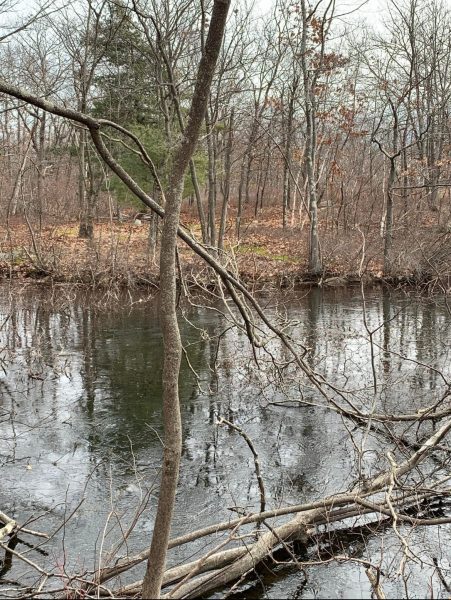
If you’re lucky while on your winter hike, you may stumble upon a pocket of nature that’s often misidentified and underrepresented. What may resemble a mere puddle alongside a trail is actually the beginnings of a vernal pool— one of the most biodiverse ecosystems on the planet— in a forest cornered by urbanization! There are some incredible ones along the hiking trails in Green Hill Park. These trails vary in intensity but they all offer the promise of an impactful adventure. If bugs, slimy creatures, or active predation makes you queasy, it would probably be best to avoid the pools and continue on the trail.
While hiking through a naked forest you may also come upon a deer travel route. You’ll notice the snapped branches first and then trampled low-lying vegetation. If you were to follow that trail down an incline to a southward facing slope, you may be greeted by a sight exclusive to winter. With quiet movements and a whole lot of patience, it is here that you may get the chance to watch a herd of deer bask in the short rays of sunlight that bend around the hulking frames of the trees. During the warmer months deer spend so much of their time looking for a mate, running from predators, and grazing. They’re constantly in motion. During winter, however, they slow down. They move to lower elevations where they find these calm moments of space and time, and they rest.
The reality is, the soul of the forest doesn’t disappear with summer, it simply changes in order to brave the season of winter. Nature can offer amazing experiences regardless of man’s pessimistic perspectives. It’s important to remember that maintaining safe practices through shared awe is inconceivably important. Prioritizing your health, the health of the forest around you, and the health of the hikers who will come after you is a responsibility that comes with forest exploration. The woods may be intimidating, especially at first, but that’s a good thing! Respect this fear and allow it to coexist alongside wonder. Allow it to inspire insatiable curiosity.
FOR MORE INFORMATION REGARDING LOCAL TRAILS:
Nature Trails | City of Worcester
Broad Meadow Brook Wildlife Sanctuary
East-West Trail | Park Spirit Worcester
Newton Hill, Worcester | Birding Hotspots
Hadwen Arboretum | Clark University
The Greater Worcester Land Trust