



















The amount of college students needing and applying for Supplemental Nutrition Assistance Program (SNAP) benefits has increased with rising food insecurity. College students experience food insecurity at higher rates than others in their communities, which impacts their academic performance and mental and physical health.
“Everyone deserves to eat,” says Gina Remillard, a Worcester resident, a mother, and a Worcester State University student majoring in Psychology. Remillard is the current administrative assistant with the Urban Action Institute, which runs the WSU SNAP office. She has helped students apply for SNAP benefits while receiving them herself. “Everyone deserves to eat,” she repeats. Earlier this fall, her words echoed in the minds of hundreds of thousands around the country who feared losing access to SNAP benefits.
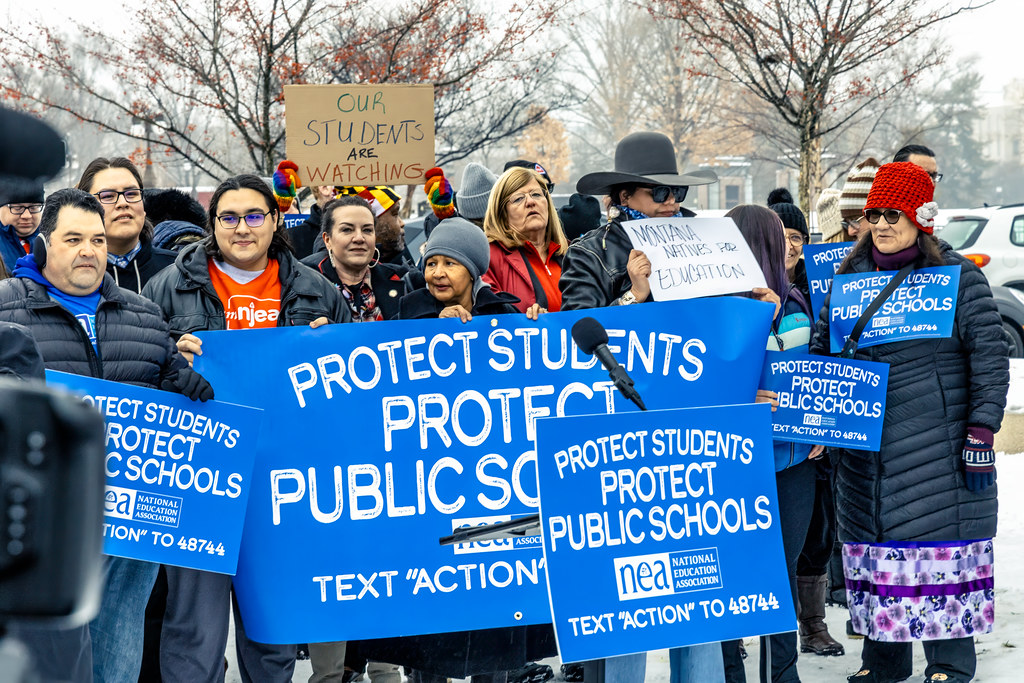
The “H.R.1 – One Big Beautiful Bill Act” (OBBBA), signed by President Trump in July, threatened to reduce SNAP benefits. States would have been required to pay for a portion of benefits, and expanded work requirements would have ended eligibility for lawfully residing immigrants. Earlier this fall, many people were in danger of losing their benefits until benefits were restored in November, when the fiscal year 2026 appropriations bill was signed into law following a 43-day government shutdown.
SNAP, according to the U.S Department of Agriculture, is a government-funded program that “provides food benefits to low-income families to supplement their grocery budget so they can afford the nutritious food essential to health and well being.” The official website continues to outline eligibility criteria, where to apply, and how to use SNAP. Existing continuously since 2008, and generally used in grocery stores, its intent is to ensure everyone has food on the table.
Yet food insecurity climbs, and homelessness rises. As of 2022, according to the Food and Nutrition Service of the U.S. Department of Agriculture, “972,279 people in 585,399 households received SNAP benefits in Massachusetts.” Of this total number, 296,440 were children under age 18. Adults under 60 with disabilities counted 132,548, and 234,606 were above 60 years-old.
Those who are able to receive SNAP benefits include low-income working families, the elderly, anyone with disabilities, pregnant women, and other low-income individuals including those in foster-care, veterans, or people who experience homelessness. Anyone outside these categories is ineligible.
For one Worcester State commuter student, the ability to obtain SNAP benefits needed to be advertised more. “I did two semesters at Worcester State before hearing about SNAP,” even with posters being up in places like Sullivan Academic Center, “I feel like not a lot of people know about SNAP,” she says. Students need to know if they fit the requirements because the benefits mean more than just a few extra dollars. They mean having food to eat after a long day of work and school. “It’s gonna be really bad for me,” the student said, “financially and emotionally,” if those benefits ever disappear.
SNAP eligibility criteria is specific, and someone who’s eligible can easily lose that status, even by making a couple extra bucks. “They track your income,” sighs a Worcester mother of four who preferred to remain anonymous, “but it’s by gross not net, which is more before taxes…That’s something they need to fix.”
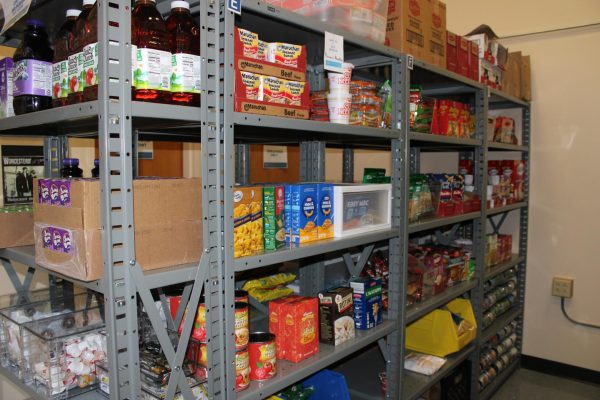
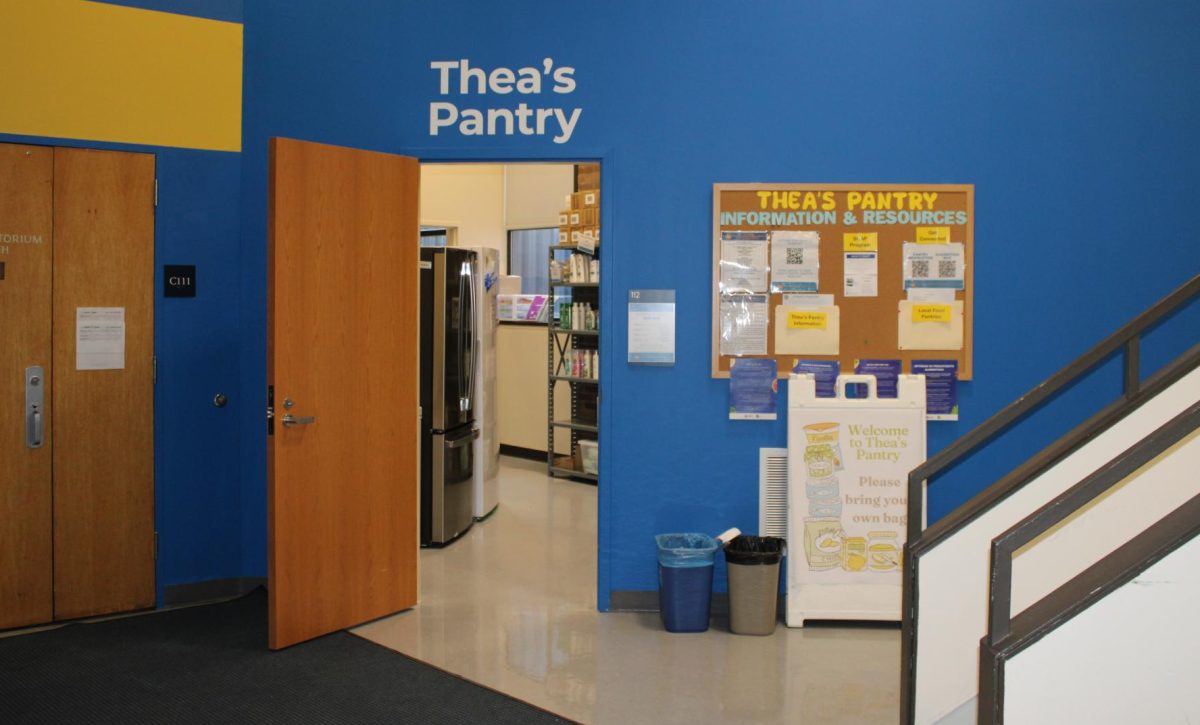
WSU has a few options available to all students who are dealing with food insecurity. Thea’s Pantry, located on the first floor of the Student Center and open Monday through Friday offers food, hygiene products, school supplies, and more, to students, staff, and faculty. Donations to the pantry can include non-perishable food items and personal hygiene products and are accepted anytime the pantry is open.
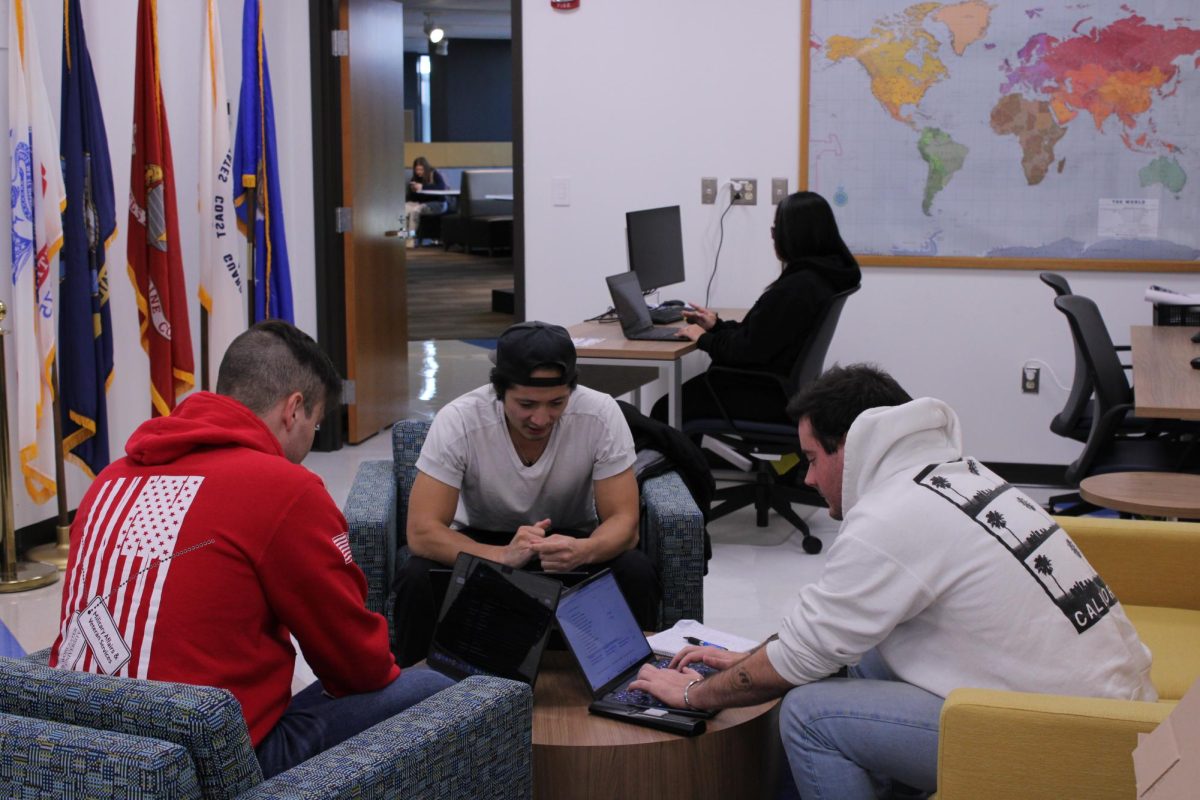
The Urban Action Institute (UAI) at WSU offers other food assistance resources like the SNAP office and, seasonally, the WSU Teaching Garden.
“Students should feel comfortable, not embarrassed, that they’re applying for SNAP or that they’re going to the food pantry,” Remillard says. “This happens everyday in the community. People go into food pantries, people apply for SNAP. It’s part of being an adult, things happen.”
Other resources for Worcester residents include:
- United Way of Central Massachusetts: United Response Fund
- Local food access resource: foodhelpworcester.org
- Massachusetts Department of Transitional Assistance SNAP updates
- Food and Nutrition Service: About SNAP
- Worcester 311
Evan Wini also provided assistance in reporting this story.